
Mike Brooks

Audio By Carbonatix
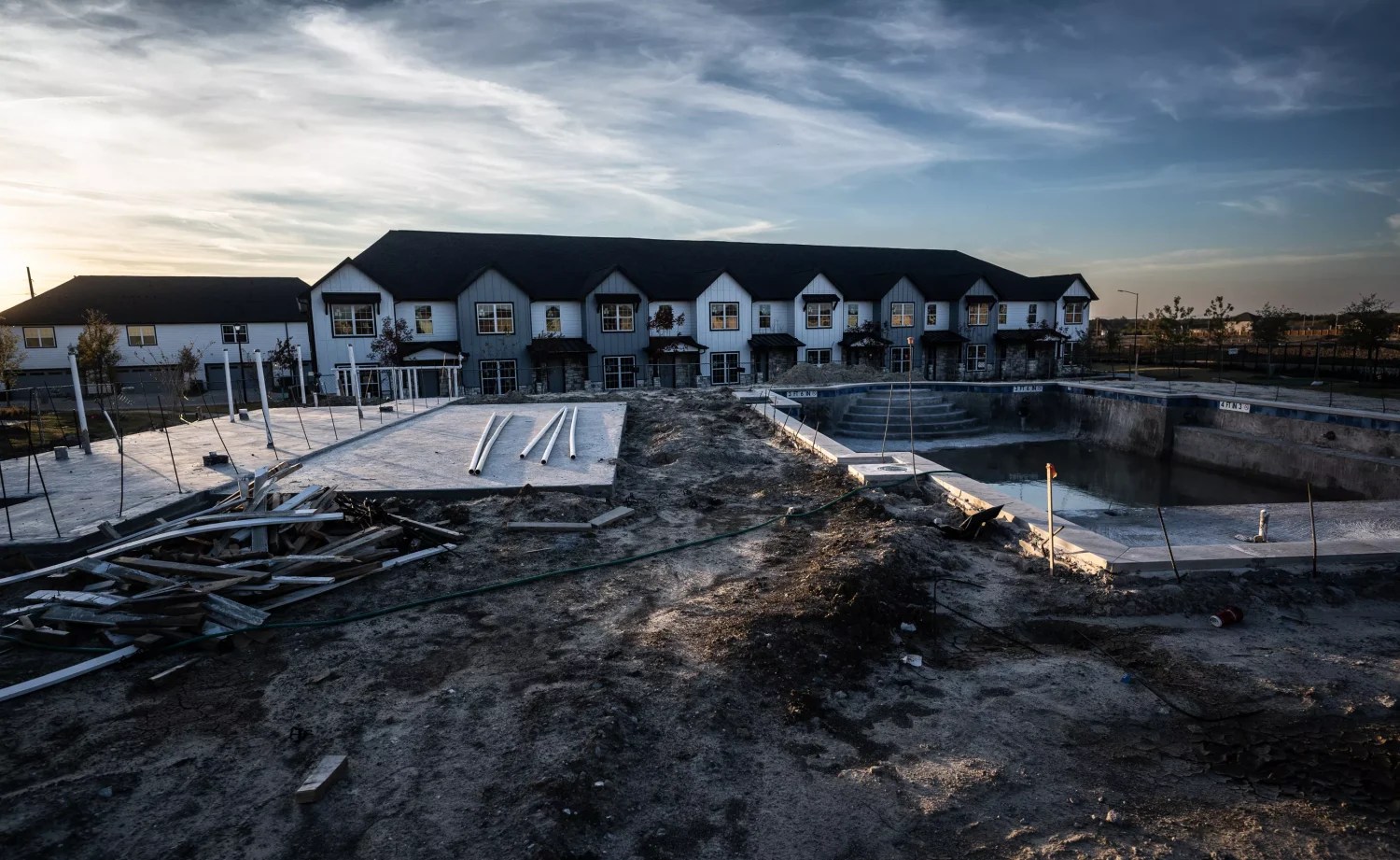
For 14 months, Princeton, the once-tiny town in northern Collin County that has grown larger each year since COVID, found some breathing room.
It has been the fastest-growing town in the United States since 2020, rising from a population of 17,000 to nearly 40,000 by mid-2024. City officials estimate the town’s population is now over 45,000, far ahead of the population forecast adopted by Princeton leaders prior to 2020, which put the town’s size at 40,000 residents by 2050. City officials attempted to slow that growth, but a new law passed by state legislators is already speeding things back up.
The last time the Observer checked in, the rapid growth in Princeton had put a strain on resources such as water and sewage infrastructure, schools and police. Traffic on the four-lane U.S. Highway 380 had become unnavigable, made worse by the miles of new housing developments that seemed to emerge from the ground like spring flowers.
“The residents are feeling it,” Princeton City Council member Terrance Johnson told the Observer in 2024.
In September 2024, the council approved a wide sweeping moratorium on residential development. What was meant to be a 120-day Band-Aid was renewed, and then renewed again, until last fall, when a new state law forced the council to allow the pause to expire. In an interview with Spectrum News, Princeton Mayor Eugene Escobar Jr. said that even with the moratorium on residential construction in place, Princeton has still been growing by 300 new homes a month, thanks to developments approved before the freeze. Commercial development was not affected by the moratorium.
The moratorium on residential development was the primary tool Princeton officials had to slow growth, but Frisco Republican state Rep. Jared Patterson helped to take it away. During the last legislative session, Patterson authored House Bill 2559, which restricts municipalities from implementing moratorium after moratorium, as Princeton did. The law requires public hearings, council supermajorities for approval and limits moratoriums to 60 days. It also limits councils to set only a single moratorium once every two years.
HB 2559 has already been flaunted by lawmakers hoping to encourage growth across Texas. Earlier this month, state Sen. Paul Bettencourt, who sponsored the bill, warned Hood County officials against implementing a moratorium on AI data center development. Pointing to HB 2559, Bettencourt wrote on social media that “counties don’t have the constitutional authority to issue building moratoriums.” He also urged Texas Attorney General Ken Paxton to investigate municipalities that may be flaunting the law.
What frustrates Princeton officials about HB 2559 is that, during the 14 months it remained in place, the moratorium worked.
In a January meeting of Princeton’s Economic Development Corporation, CEO Jim Wehmeier announced that the town ended 2025 with 19% fewer building permits than the year before. The 1,600 building permits issued by the end of the year will add more than 5,000 new residents to Princeton, he said.
“So down 19%, I would argue, is not necessarily a bad thing, giving us a bit of a breather coming out of the moratorium,” said Wehmeier. “I’ll also say there are a significant number of single-family residential permits in the backlog that they just literally haven’t had an opportunity to process yet. We had a lull, and then it really picked up towards the end of the year.”
Wehmeier said that backlog is a byproduct of manpower shortages; while city staff is processing permits as fast as they can, they can’t keep up with the number of developers hoping to move into town. Princeton officials also addressed other issues while the moratorium was in place. There has been planning for new infrastructure, bolstering of police hiring goals and increased funding across city departments.
Still, much of the progress the town made during the moratorium period was planning-related. Now, implementation will roll out alongside the reinstated development, which isn’t expected to slow. Some estimations put Princeton’s population at 100,000 by 2040.
“We’re still about five years, probably, behind,” Escobar, the mayor, told CBS News. “We’re having to literally figure out everything and redo everything over because the measurements, everything we had in place, cannot handle where we are now.”
