Dara Feller

Audio By Carbonatix
Earlier this month, the Los Angeles-based indie-rock project About You released its first full-length album titled The Lighthouse, The Storm, and recorded at Modern Electric Sound Recorders in Dallas.
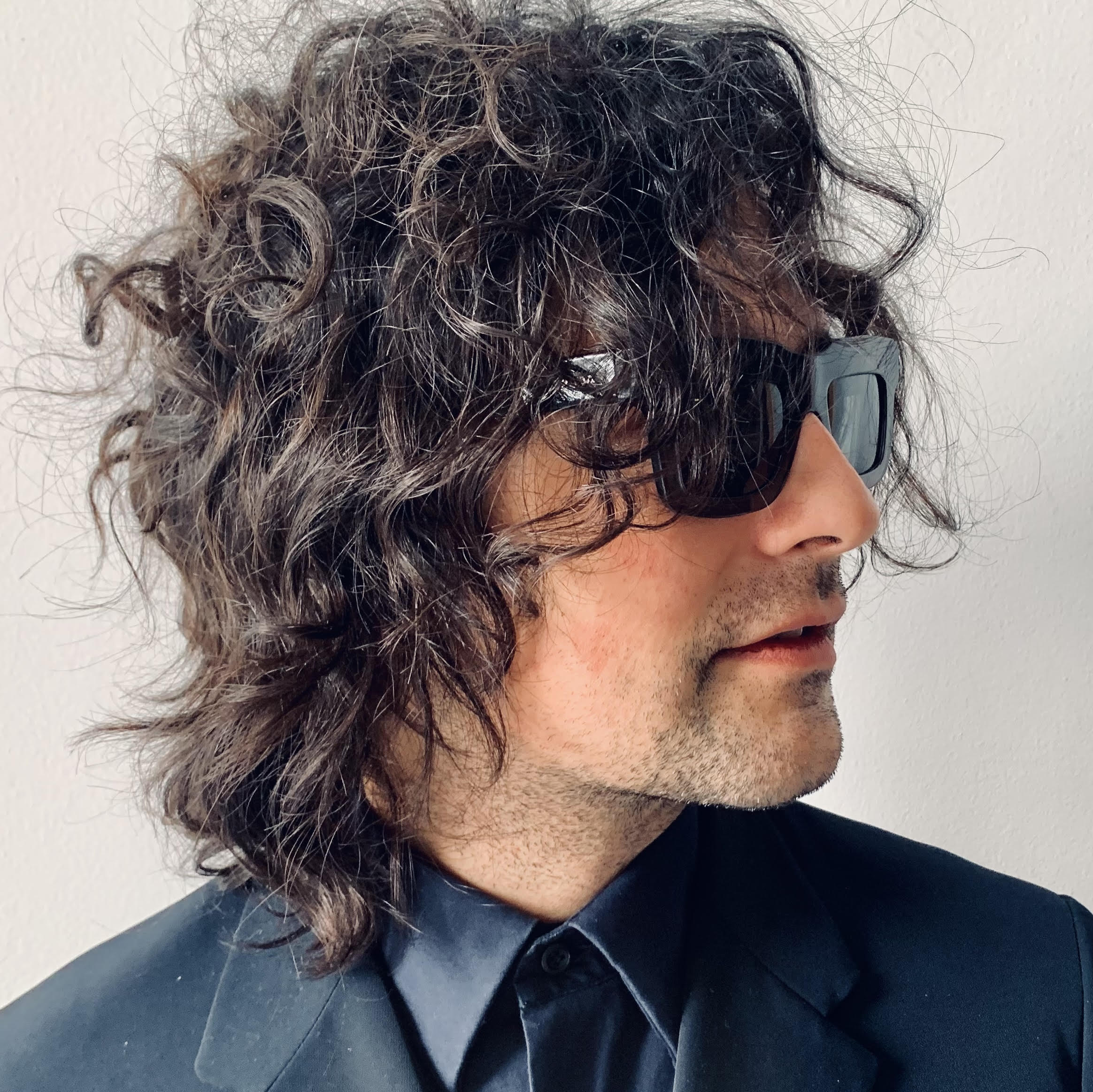
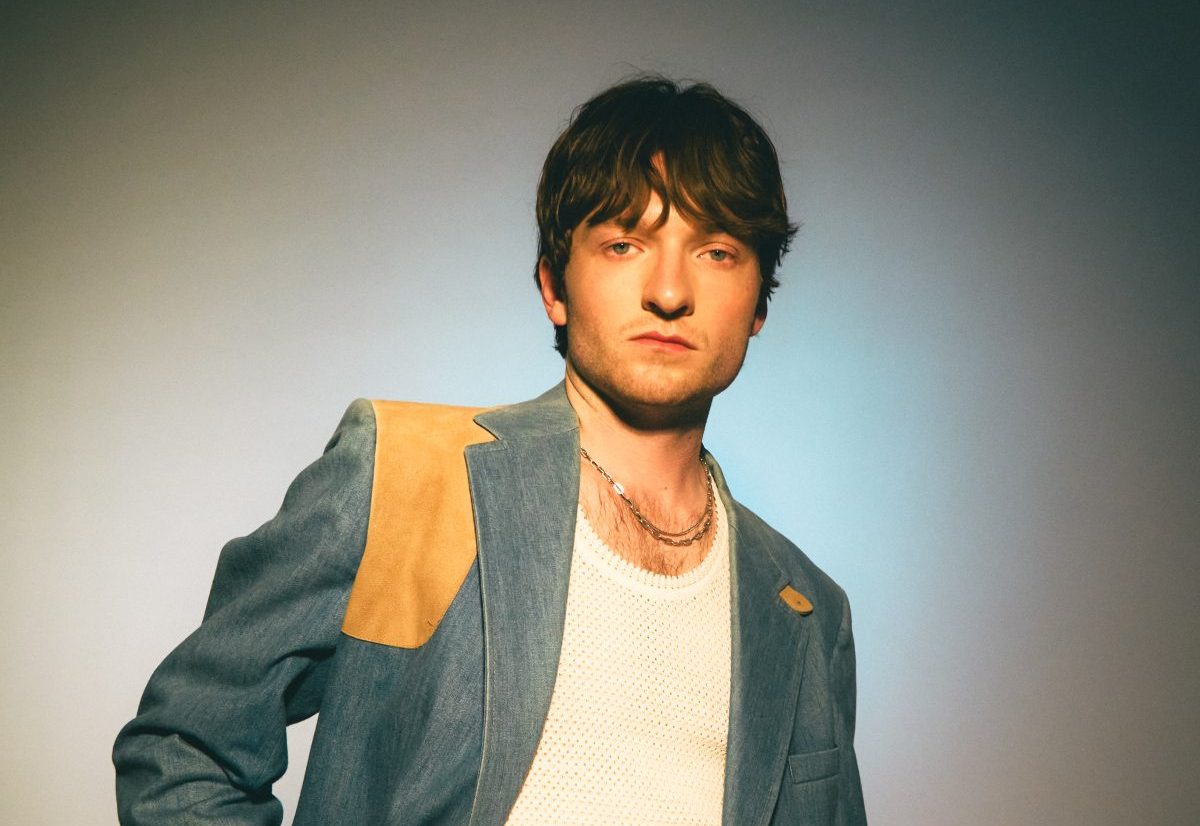
About You features a garden variety of local musicians but centers on project founder Max Poscente. Around Dallas, Poscente may be best known for a band he created over a decade ago with musician Jonah Smith and a few other Booker T. Washington students called The Azalea Project. Along with Smith and Leah Lane, now of Rosegarden Funeral Party, Poscente was part of a unique cohort of young musicians who, as teenagers, made a significant splash in the Dallas music scene.
In the case of The Azalea Project, in the band’s short but productive years, it was able to secure shows at Dallas’ best venues and embark on a tour of the United States. However, shortly after graduating from Booker T. Washington, when members went their separate ways, Poscente found himself first in art school in Seattle, and then in Boston, studying at the Berklee College of Music, where he started About You.
“I went to Cornish, and it was a big fat waste of art school money,” Poscente tells us. “I later transferred to Berklee, and although it was more expensive, it was worth it. The people I met there, I still run into today — famous artists, musicians, engineers and A&R people from labels.”
Inspired by his time working with fellow musicians at Berklee, while also living in the same city as his longtime girlfriend Maggie, who was attending Harvard University at the time, Poscente had a unique idea for the lyrical content for his new project.
“When I left Seattle for Boston, I wanted people to send me stories, and I started adapting them into songs,” Poscente says. “In Boston, I met friends who became members of the project, and we started making our first recordings together.”
Early singles from the band released as early as 2018 include “Hunky Dory” and “Cactus,” laying the groundwork for the future sound that was to emerge fully formed in the tracks that make up The Lighthouse, The Storm with Poscente at the controls.
“It’s kind of like a Tame Impala or Bright Eyes situation,” Poscente says. “I work with musicians and producers, but I have a pretty strong vision of what it is. It also makes it harder to do and, especially, finding all the resources to do it yourself.”
The Lighthouse, The Storm is a sophisticated and contemplative album, splashed with neo-soul vibes, represented through interesting key-changes, complicated melodies and intense lyrical introspection. The tracks are grounded by clever sampling, pivoting around personal experiences of vulnerability surrounding the stories Poscente either witnessed or received from listeners. This output is then driven by R&B drum samples, which pair seamlessly with live recorded tracks, creating a smorgasbord of sonic textures. Standout tracks include “MoNa,” “Novocaine/444am,” “What if I Could?” and the album opener, “Farewell to Ghosts.”
“As much as rock ’n’ roll is in my soul, I’m forever a fan of music,” Poscente says. “I do want to push things forward, though. How, through the lens of rock ’n’ roll, can I pay homage to these other musical sounds, like Afrobeats, hip-hop and classical?”
A Storm Brewing
The Lighthouse, The Storm is also an album that took years to make, as Poscente’s journey from demo tapes to a releasable record was peppered with starts and stops, starting with the onset of of the COVID-19 pandemic.
“I moved to LA in 2019 to start this new record, after I left Boston with Hal Samples and my best friend Nathan Allen,” Poscente says. “The plan was Hal and I were going to Nashville to do pre-production, but none of that actually happened. Instead, we ended up screwing around for the 10 days, just burning money.”
After eventually leaving Nashville, heading towards Los Angeles, the group decided to reroute to Dallas and track rough demo tapes at Modern Electric Sound Recorders. Shortly after that, Poscente moved full-time to Los Angeles and was able to land a job at the famous EastWest Studios, referred by a family friend.
“I moved to LA, and I have these demos and a lot of ambition,” Poscente says. “I got a job at the best studio in the world, and while I’m working with these demos, everyone starts getting sick.”
During this catastrophic time for the world, Poscente flew back to Boston to help his girlfriend move, and while doing so, received an unexpected call from Modern Electric studio owner, Jeffrey Saenz.
“I got a call from Jeff, and he said he’s willing to do my album for free, if he’s the producer, and if we do it at Modern Electric,” Poscente tells us. “So, Maggie and I drove back to Dallas from Boston, but we were quarantined immediately. After that, we started the sessions and recorded ‘MoNa’ and ‘Benji,’ and things were really moving along.”
For these sessions, Poscente worked closely not only with Saenz, but an arsenal of respected Dallas musicians, including McKenzie Smith, Scott Lee, Bradley Barteau and Jason Burt.
“Jason Burt basically changed the whole trajectory of ‘MoNa,’” Poscente says. “He gave it a groove.”
Back to Dallas
After things cleared up in 2021, Poscente traveled regularly from Los Angeles to Dallas to work on the album for several weeks at a time until tragedy struck.
“I was about to fly back to LA, and I got a COVID booster that knocked me out at 8 p.m.,” Poscente says. “I had this vivid dream where I’m surrounded by a handful of friends, and they get me to attend a party with lightbulbs and electricity shooting out everywhere. Then I woke up on June 1 to read that Jeff came in contact with a downed power line.”
Poscente received a text from a mutual friend that Saenz had a terrible accident, resulting in him losing both of his arms. For Poscente, the odd dream may have been intensely prophetic.
“On the way to the airport, I was telling Maggie and my roommates about this fever dream I had,” Poscente says. “In retrospect, it showed me the connection between Jeff and me was really deep.”
Throughout the surgeries Saenz underwent to save his life, the producer made time to reach out to Poscente.
“He called me on my birthday to tell me he was good and glad to be alive,” Poscente says. “I wasn’t sure he would be the same Jeff, but when I showed him an idea on FaceTime, he perked up. So, I went over to the combo machine, and we started working on a song. How incredible is that?”
With Saenz’s help, the song would later come to be fully fleshed out, recorded and eventually titled, “What if I Could?” while other ideas kept coming.
“I got another FaceTime call from him, and he’s got another idea,” Poscente says. “It was a moment where we both knew we could still do this. I also realized my role is not that of only an artist, but a friend helping a friend rehab back into the world.”
After Saenz’s recovery, the duo got back to work at Modern Electric, now with the help of Los Angeles-based sound engineer Carter Jahn (of The War on Drugs fame), to help finish the record, which now clocked in at a half-decade musical journey.
“In total, the record took five years,” Poscente says. “It’s very intentional, every move, every tone, and it’s an extremely detail-oriented record, but also not planned. Jeff has a saying — he says to never go to a studio with a plan. Have a plan, but be excited when a new idea sparks, and you get to trailblaze.”
As for the sound of The Lighthouse, The Storm, Poscente likes to keep those definitions loose, too.
“The intention was to make the kind of rock ’n’ roll we want to hear in this world,” Poscente says. “To us, this is what the future of rock ’n’ roll sounds like.”
The Lighthouse, The Storm is out now.